




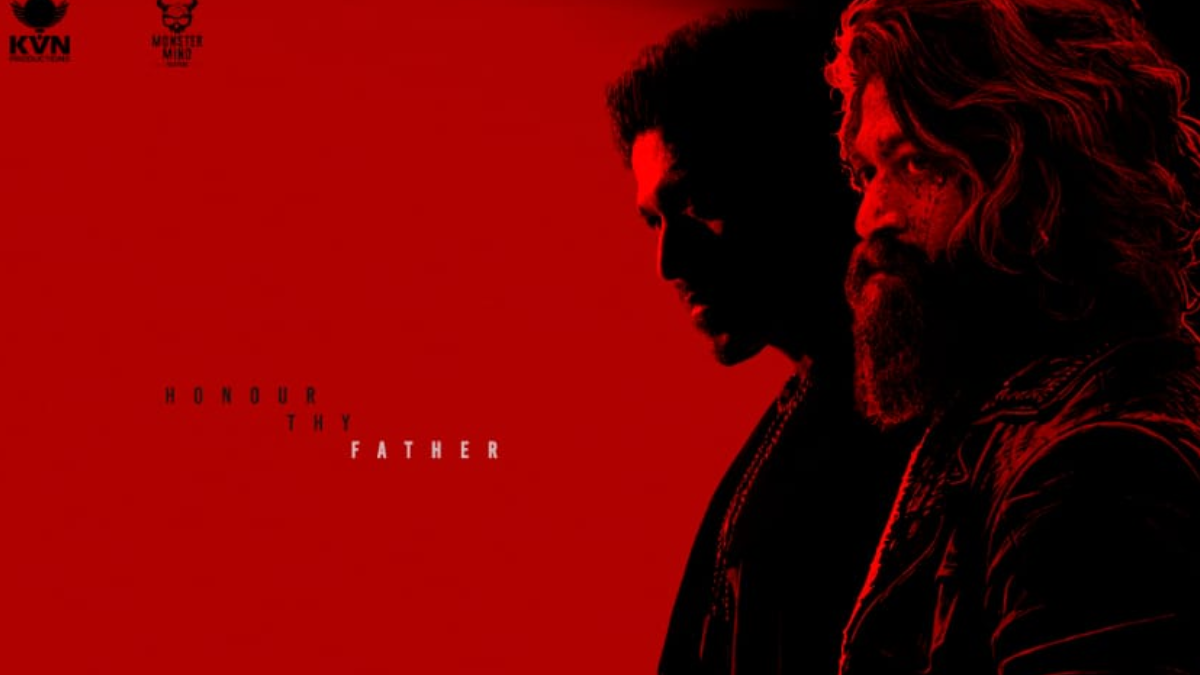
True to its tagline, Toxic: A Fairy Tale for Grown-Ups is far from a simplistic, good-versus-evil bedtime story. A three-year hiatus following the monumental success of the K.G.F franchise inevitably brings immense expectations. With Toxic: A Fairy Tale for Grown-ups, Yash does not merely return to the silver screen; he purposefully subverts standard action tropes to craft something far more layered. Directed with distinctive artistic boldness by Geetu Mohandas, the film steps away from cookie-cutter formulas to construct an expansive, atmospheric universe where power, vengeance, survival, and familial devotion relentlessly collide. It is a visually rich, violent, and deeply dramatic experience tailor-made for the big screen.
Rather than front-loading the runtime with mindless brawl sequences, the film exercises calculated narrative restraint. Mohandas takes time planting narrative landmines, establishing character motivations, fractured loyalties, and shifting alliances across a stylish underworld canvas. This measured storytelling gives the first half a compelling rhythm. While the film delivers its share of larger-than-life spectacle, it consistently prioritizes psychological intrigue. Every key figure introduced onto this sprawling board has a tangible purpose, making the unfolding conflict feel earned rather than forced.
At the core of this high-stakes ecosystem is Yash, who commands the screen in a dual avatar—Raya and Ticket. Rather than treating this dual role as a standard commercial novelty, the film utilizes both characters to showcase the full spectrum of Yash’s acting prowess. As Raya, he embodies calculated restraint and an imposing, quiet authority. He does not rely on bluster or excessive showmanship; a slight change in posture, an intense stare, or a prolonged pause conveys complete command over the frame.
Conversely, Ticket is driven by raw kinetic energy, instinct, and dangerous unpredictability. He is younger, wilder, and volatile. Yash bridges the divide between these two opposing forces with remarkable finesse, balancing stoic gravity with unhinged charisma. As the complex relationship and shared history between them unravel, the drama gains genuine emotional resonance, elevating the film beyond standard action fare.
The supporting ensemble provides immense narrative weight, ensuring that the sprawling universe never feels hollow. Nayanthara brings quiet strength and commanding presence to Ganga, establishing an anchor of emotional resilience amid the chaos. Kiara Advani delivers a heartfelt and vulnerable turn as Nadia, bringing warmth, intimacy, and credible human stakes to an otherwise ruthless environment. Her interactions with the primary leads provide the film with its most poignant narrative beats.
Huma Qureshi is sharp, assertive, and memorable as Elizabeth, holding her ground in every high-tension confrontation. Rukmini Vasanth makes a strong impression as Mellisa, infusing her role with a quiet, nuanced charm that resonates throughout the drama. Tara Sutaria’s portrayal of Rebecca, along with sharp supporting turns from Akshay Oberoi, Darrell D’Silva, and Sudev Nair, adds further layers to this sprawling crime landscape, ensuring every secondary player possesses distinct motives and weight.
Geetu Mohandas’s direction is marked by atmospheric confidence. Rejecting rapid-fire exposition, she lets the tension build organically across the first half, allowing the world to breathe. It all converges into a colossal interval block that subverts expectations, reshuffles the deck, and builds massive theatrical anticipation for the second half.
Once the second half begins, the tempo shifts into high gear. The action sequences become faster, more visceral, and brutally personal. The violence is never merely aesthetic; it feels direct, heavy, and consequential. The set pieces are staged with expansive scale, utilizing wide angles and textured production design to fully exploit the canvas of large-screen theatres.
Visually and sonically, Toxic stands out with a distinct identity. The world-building, production design, and cinematography coalesce to create a moody, textured aesthetic that feels both grand and grounded. The soundscape and music further enhance the overarching atmosphere, elevating key dramatic confrontations into gripping cinematic moments.
The film’s ultimate strength lies in its relentless ambition. Rather than settling for a predictable mass entertainer, it blends crime, family, romance, jealousy, and revenge into an intricate thematic tapestry. The unconventional climax refuses easy, neat closures, choosing instead to challenge the audience and leave a lingering impression.
Backed by KVN Productions and Monster Mind Creations, Toxic achieves what modern cinema often struggles with: marrying unapologetic star power with auteur-driven storytelling. Yash delivers a towering, magnetic performance, while Geetu Mohandas proves that big-scale action dramas can possess genuine emotional depth, style, and narrative courage.